Tag: Science

  • Richard Dawkins on the Big Debate

    [youtube=http://www.youtube.com/watch?v=F-S7M0KZTsU]

    [youtube=http://www.youtube.com/watch?v=ZllHfSLsRZg]

    [youtube=http://www.youtube.com/watch?v=yzjnL4HVoMU]

    [youtube=http://www.youtube.com/watch?v=HtUd7-tha_w]

    [youtube=http://www.youtube.com/watch?v=1MPS_GLoNDk]

    [youtube=http://www.youtube.com/watch?v=ndXYip6pdco]

    Jonathan Dimbleby and a panel of experts come together to debate the controversial subject of religion in Britain’s schools.

    The role of religion in education is a subject rarely out of the headlines. Despite Britain’s multi-faith society, schools are still required to include a collective act of worship of a Christian nature, while faith schools and religious academies have raised fears about community cohesion and covert selection.

    Claims by some religious educationalists that faith is the best way to teach moral values is challenged by others in schools who believe religious morality to be outdated and dangerous.

    Dimbleby is joined by Professor Richard Dawkins, Schools Select Committee chairman Barry Sheerman MP, and a multi-faith studio audience.

  • Chemical Basis of Love

    via upload.wikimedia.org

    Sometimes we need to remove the romanticism from the love subject, not that it makes it any easier when love-related things don’t go the way one would want them to, but at least the next time you feel like you’re in love, and start suffering from its effects, you will also know what is really going on in your brain. Science is awesome!


  • Astronomy Picture of the Day | Pelican Nebula Close-up

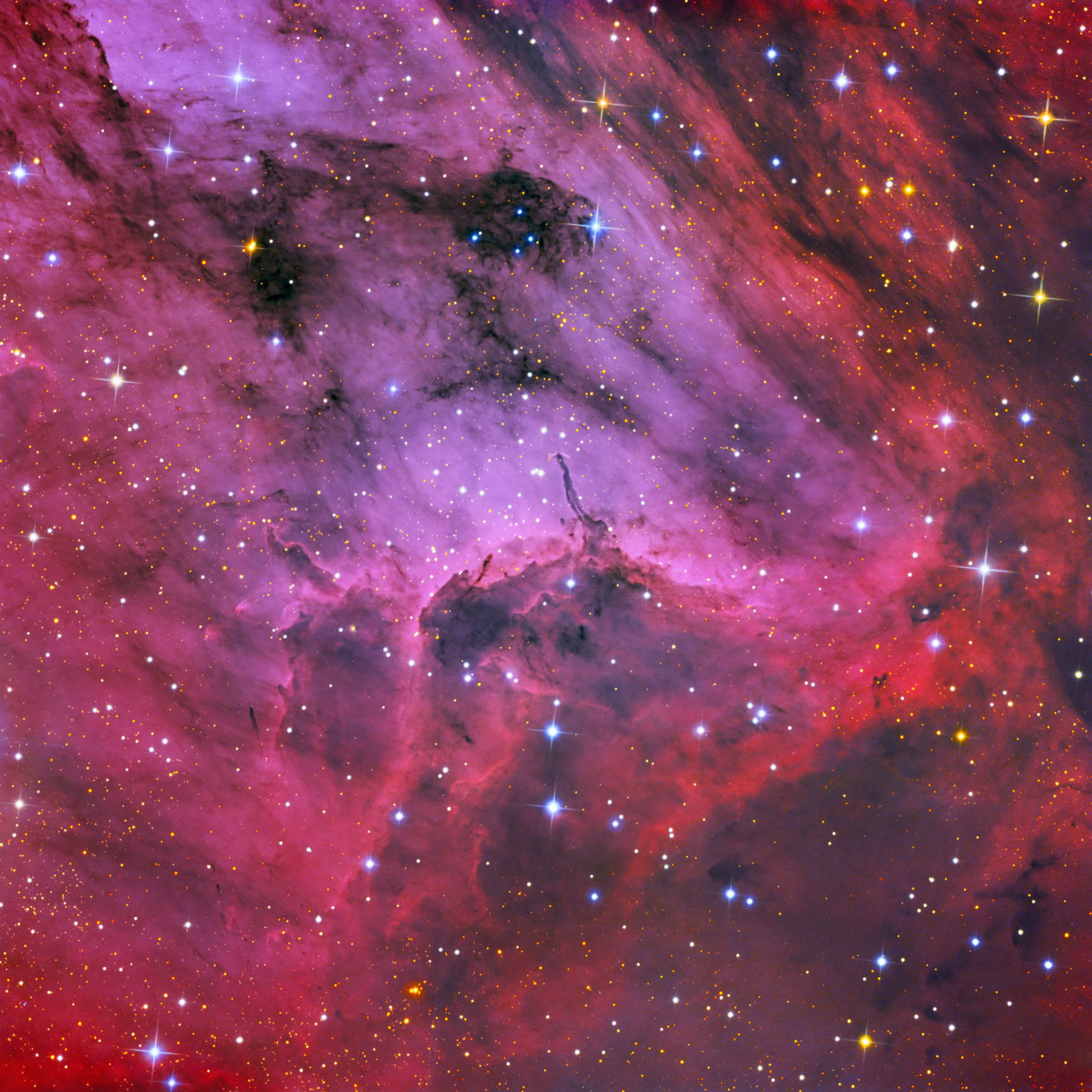
    Pelican Nebula Close-up
    Credit & Copyright: Tony Hallas

    Explanation: The prominent ridge of emission featured in this intensely colorful skyscape is designated IC 5067. Part of a larger emission nebula with a distinctive shape, popularly called The Pelican Nebula, the ridge spans about 10 light-years and follows the curve of the cosmic pelican’s head and neck. Fantastic, dark shapes inhabiting the view are clouds of cool gas and dust sculpted by energetic radiation from hot, massive stars. But stars are also forming within the dark shapes. In fact, twin jets emerging from the tip of the central, dark tendril are the telltale signs of an embedded protostar cataloged as Herbig-Haro 555. The Pelican Nebula itself, also known as IC 5070, is about 2,000 light-years away. To find it, look northeast of bright star Deneb in the high flying constellation Cygnus.